Postpartum Hair Loss Survival Guide: Tips, Tools & Products
Postpartum hair loss, scientifically called postpartum alopecia, is far more common than maybe most new moms realize. This can be quite startling when you begin to notice your locks shedding more than you’re used to. The phenomenon begins usually a few months into motherhood and lasts for around 6 months postpartum. But no matter who you are or how severely you might be experiencing this hair loss, in most cases, your hair should be growing back good as new by baby’s first birthday.
I know it might be scary or frustrating for you during the process, but I can assure you it’s temporary. And understanding why it happens, what foods support hair health, and how to nurture new growth can make the transition smoother and less stressful. As both a barber and a first-time mom, I’ve experienced postpartum hair loss and have decided to take what I’ve found during my own personal hair journey and pass it onto whoever out there might be asking the same questions as I was.
Why is My Hair Falling Out?!
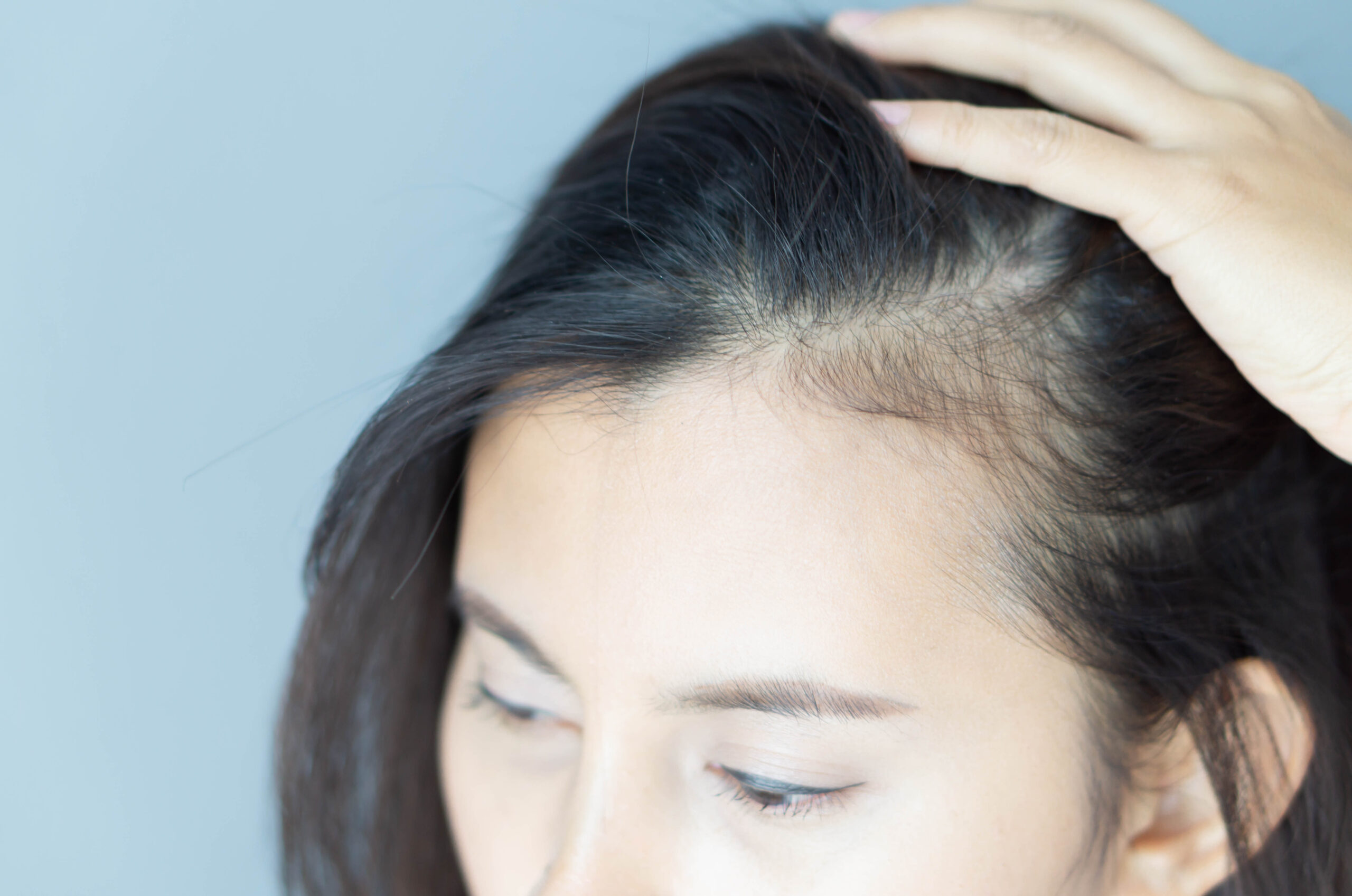
So, you know how amazing our hair seemed to be during pregnancy? Have you ever wondered what was up with that? Well simply put, our estrogen levels rise during the second or third trimester causing our hair to practically stop shedding in a normal manner leaving our hair extra thick and sexy. But unfortunately, it doesn’t last. Once we give birth, and our bodies try to return to normal, our hormone levels drop rapidly. This causes, not only the hair we hung onto during pregnancy to fall out, but also additional strands will shed prematurely. This ends up being why we can find clumps of hair falling out causing bald spots or receding hairlines.
As scary as it may or may not be to you, postpartum hair loss is actually completely normal. For me, I started to see a couple bald spots forming near my hairline at around 3 months postpartum. Most women, in fact, will begin to see their hairline recede at around 3 or 4 months after they give birth with the overall hair loss lasting, on average, no longer than 6 months, and by baby’s first birthday you should be seeing pretty good regrowth and be on your way to feeling and looking like your old self. I’m not a doctor or in the medical industry AT ALL so I just want to add that if your hair loss is really worrying you or persisting longer than a year or so, be sure to consult your physician.
Improving Hair Health Through Food
I can’t sit here and tell you that I believe there’s anything we can do to avoid hair loss after giving birth. But as someone who’s been in the hair industry for almost 20 years, I do understand that hair is science and therefore through basic hair understanding there may be things we can do to make the process easier. One way we can do this is through our diet. Nourishing our bodies with the right nutrients can support hair strength and regrowth.
- Protein-Rich Foods – Hair is primarily made up of keratin which is a protein. So, it would make sense that consuming more protein will aid in the regrowth process while preventing breakage and brittleness in new growth. Some protein-rich foods include eggs, lean meats, and legumes which also provide essential amino acids for hair structure.
- Iron-Rich Foods – Iron is awesome for creating a healthy hair and scalp environment because it promotes blood circulation which brings oxygen to the hair. This is really important especially if you had a lot of blood loss during your delivery. Spinach, lentils, and red meat help combat iron deficiency.
- Vitamin C – Not only is Vitamin C key in supporting collagen that leads to stronger hair, but it also helps the absorption of iron. Foods with Vitamin C include citrus fruits, bell peppers, and strawberries.
- Vitamin D – Vitamin D aids in strong hair regrowth. Keeping in mind that postpartum hair loss is temporary, hair regrowth plays an important part in getting back to our old selves. Foods with vitamin D include fatty fish, egg yolks, and certain mushrooms like maitake and portobello. Vitamin D isn’t always easy to get from food alone so consider supplements or simply getting more sun if you’re in an area where that’s possible.
- Biotin & Zinc – Biotin is crucial to produce keratin and helps maintain scalp hydration and reduces dryness. That’s important because a healthy scalp environment is essential for strong, healthy hair to grow. Postpartum hair loss is largely driven by hormonal shifts, so increasing your Zinc intake helps regulate hormone levels which aids in balancing the hair growth cycle. Zinc also contributes to collagen formation, which strengthens hair structure and helps new hair strands grow healthier and more resilient. Deficiencies in both Biotin and Zinc have been linked to excessive hair loss, so getting enough can help slow down postpartum shedding. Biotin-rich foods include eggs, nuts, seeds, salmon, sweet potatoes, and whole grains and some Zinc-Rich Foods are red meat, poultry, beans, lentils, pumpkin seeds, chickpeas, and dairy.
- Omega-3 Fatty Acids – Ultimately Omega-3 fatty acids support hormonal balance which reduces postpartum hair loss by nourishing hair follicles, reducing inflammation, strengthening hair, and improving dry scalp. The fatty acids create a healthier environment for hair regrowth.
- Consider a Prenatal or Postnatal Vitamin – Don’t stop your supplements after giving birth! Supplements with key nutrients, like the ones mentioned above, can continue to support hair health. Ritual has a vegan prenatal multivitamin that includes most of the vitamins we’ve discussed in this blog. It is pricey, so keep in mind it becomes more affordable when you sign up for monthly or 3-month subscriptions. Purchasing a la carte is another option. Just remember that if going that route, iron and calcium don’t mix with fish oil so take them a few hours apart for maximum absorption of each.

Ritual Essential for Women Prenatal Multivitamin
Ways to Slow Down Hair Loss
Once you’ve started working on repairing your postpartum alopecia from the inside out through your diet, next you might want to begin taking care of the hair that’s on your head by slowing the shedding process. So, while I don’t believe postpartum shedding can’t be entirely stopped, there are steps you can take to minimize excessive loss.
- Gentle Hair Care – Alopecia is a medical term referring to hair loss, and we might be tempted to deal with our postpartum alopecia by hiding it under hats or pulling our hair up. If we’re not careful, those tactics could end up contributing to Traction alopecia. According to WebMD “Traction alopecia is a type of hair loss caused by hairstyles or other things that pull on your hair. This is most often due to wearing tight hairstyles, but it can also come from wearing caps or other items too often.” We will never be successful if we’re trying to combat alopecia with just another form of alopecia. So be sure to avoid tight hairstyles like braids or tight ponytails, chemical treatments like hair coloring, perms or relaxers, and excessive heat styling with blow dryers or flatirons.
- Use a Mild Shampoo – Using shampoos with harsh sulfates, parabens, and heavy silicones can cause buildup, dry hair out, and irritate sensitive scalps. Try using a nourishing, sulfate-free, scalp-friendly shampoo like Nioxin System 4 Cleanser Shampoo or Vegamour GRO Revitalizing Shampoo to help hair recover faster!


- Scalp Massages – Scalp massages help with postpartum hair loss by increasing blood circulation, which delivers more oxygen and nutrients to hair follicles, encouraging growth. Additionally, massaging the scalp with nourishing oils like rosemary, coconut, or castor oil will add moisture to the scalp, and create a healthy environment for regrowth. A few minutes of gentle scalp massage daily can support thicker, healthier hair over time.
- Stay Hydrated & Manage Stress – Hydration is key in hair loss recovery because it helps transport essential nutrients to hair follicles and helps flush out toxins that could contribute to hair thinning or slower regrowth. Drinking enough water keeps hair hydrated and resilient, and since postpartum hair loss is linked to hormonal shifts, staying hydrated can help regulate these processes and support overall well-being while also improving dry scalp and brittle hair. High stress levels can keep hair in the telogen (resting) phase longer, delaying regrowth. It also disrupts hormonal balance and restricts circulation, limiting the nutrients needed for strong hair growth.
Nurturing New Hair Growth
Now that we’ve adjusted our diet and worked on reducing the amount of shedding, we should begin focusing on creating a scalp-friendly environment to support new hair growth.
- Hair Growth Serums -–Hair growth serums can stimulate the scalp, nourish hair follicles, and strengthen new growth, making them a great tool for postpartum hair recovery. They often contain active ingredients that improve blood circulation, reduce shedding, and encourage regrowth. An option to try could be the Nutrafol Hair Serum or as a more cost effective option The Ordinary Multi-Peptide Serum for Hair Density.


- Trim Split Ends – Not only does trimming split ends help to prevent breakage and make new growth appear healthier, but it can also just make you feel really good! My advice to you, however, is to not do anything too drastic. It might be tempting to hack off all your hair in an attempt make the regrowth process easier but think about how the haircut will work out for you in the long run. Though it might be easier now, you may find it more difficult later.
- Hair Accessories – A big part of supporting your retained hair and new growth is by minimizing friction that can be caused by the accessories you use on a daily basis. A silk or satin pillowcase or a bonnet can help retain moisture and minimize friction while you sleep while hair clips and satin scrunchies are gentler options in your day to day styling. Also products like Toppik comes in many colors and consists of basically fibers that can be sprinkled onto balding spots to reduce the look of hair loss.


- Be Patient – Like I mentioned before, postpartum hair loss is temporary! Don’t allow yourself to get stressed about it because that will actually make it worse. Just remember that the shedding phase lasts about 3-6 months but being proactive could possibly shorten the timeframe. Regrowth usually starts within six to twelve months but if you use that time to focus on your sweet little baby, you’ll be there before you know it!
Before you go…
Postpartum hair loss can be an emotional experience, but it’s a sign that your body is adjusting after pregnancy. By nourishing yourself with the right foods, practicing gentle hair care, and supporting scalp health, you can encourage strong, healthy hair regrowth. Remember, this phase is temporary, and with time, your hair will find its natural balance again.

What are some of your postpartum hair loss stories? And has anything you’ve tried worked for you? We’re building community through conversation so drop a comment in the Reply Box below!
*This post may contain commissionable affiliate links at absolutely no extra cost to you.
Disclaimer: The content here is for informational and educational purposes only. It does not take the place of medical advice or treatment from a physician. Readers should consult their own doctor or a qualified healthcare professional for specific health concerns and questions.